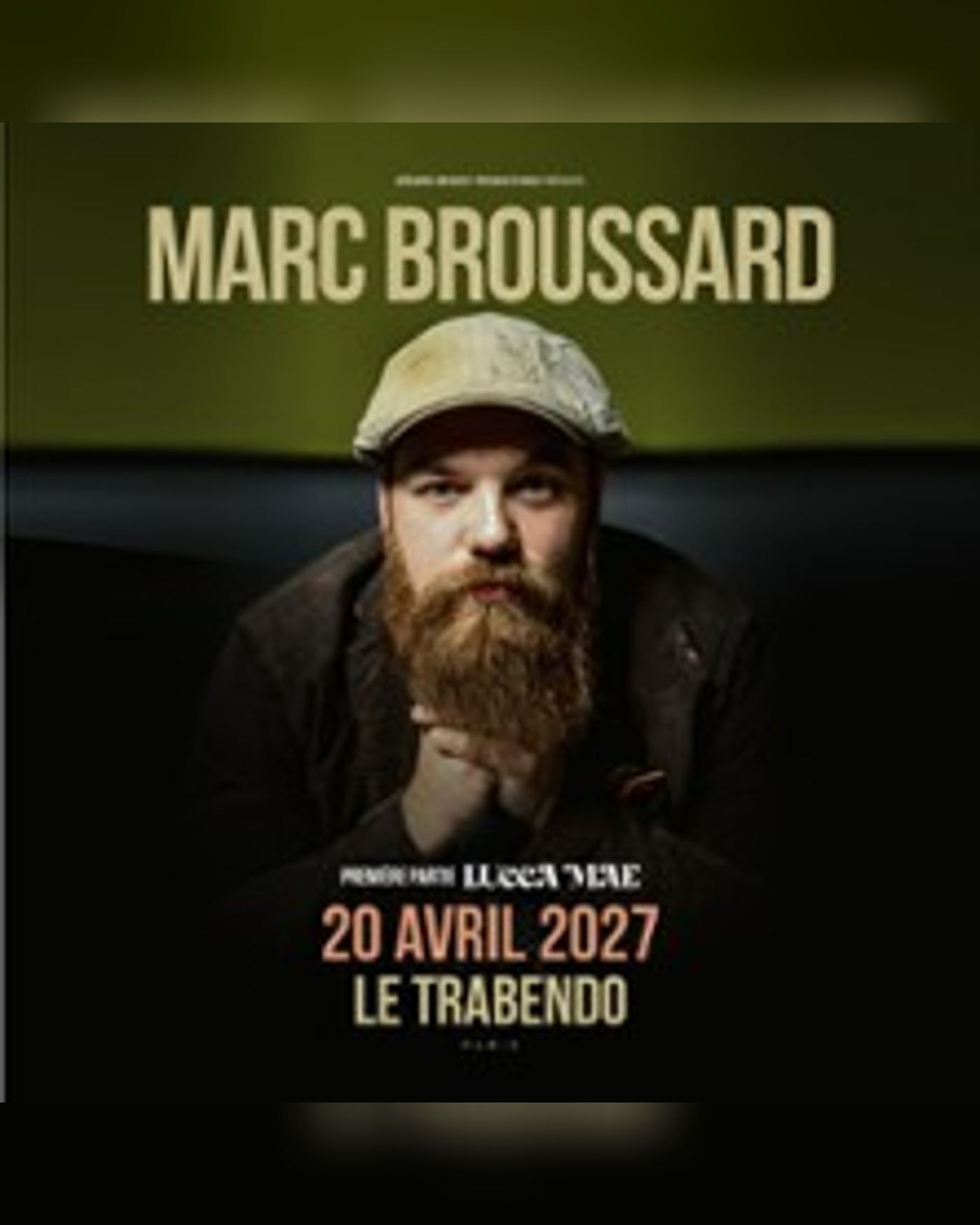
Fan-run tour website
Dec 17, 2026 – Apr 10, 2027
Marc Broussard's current live run carries the warm, unhurried spirit that has long defined his shows, blending soul, blues, funk, and the Louisiana roots he grew up with into a sound that feels both grounded and wide open. Expect a room shaped by his rich, expressive voice, tight band interplay, and grooves that reward close listening as much as they invite dancing. His audience is broad and loyal, drawing longtime admirers of Southern soul alongside listeners discovering his songwriting for the first time and newcomers won over by the conviction of a live performance. Sets often move between reflective ballads and driving, groove-heavy numbers, so the mood can shift from intimate to celebratory within a single song. This tour stands out for its scope, spanning a wide geographic range and a mix of venue types, which gives fans in many different regions a chance to see the band up close. The typical set keeps a steady, purposeful pace, building momentum through the middle and letting the musicians stretch out on extended grooves before pulling back for a quieter moment that lands with real weight. Audiences tend to leave with the feeling of having shared something specific and unhurried. Before making plans, check the dates table below to find the stop nearest you and see which cities and venues are on the route.
Marc Broussard is on the road in 2026–2027. There are 6 shows left to see in 6 cities; the next is Dec 17, 2026 at Tipitinas in New Orleans.
Checked
Tipitinas · New Orleans, Louisiana
Grand Opera House of the South · Crowley, Louisiana
Longhorn Ballroom · Dallas, Texas
Tower Theatre - OK · Oklahoma City, Oklahoma
Saloon Stage At Knuckleheads Saloon · Kansas City, Missouri
Gothic Theatre · Englewood, Colorado
No show matches. Clear a filter and try again.
Nothing is on sale right now. New dates land on this page the day they are announced.
Ticket prices for a Marc Broussard show move with several factors. The city and the size of the venue matter most: a large amphitheater in a major metro area will price differently from an intimate theater in a smaller town. Seat location also drives cost, since floor seats close to the stage and central rows typically sell for more than side or rear sections. The date itself counts too. Weekend evenings, holiday weeks and nights with little competing entertainment tend to sell faster and price higher, while weeknight shows or dates far from a holiday may be cheaper. This is why two dates on the same tour can cost very differently even at the same venue type. Demand, timing and local market conditions shift from night to night, so checking several dates can reveal meaningful differences.
VIP packages and meet and greet add-ons are usually sold as bundles that may include priority entry, a reserved or premium area, merchandise, or a brief photo or greeting opportunity. Exact contents differ by show, so read each package description before buying. Availability also varies from date to date; some shows offer these packages and others do not. Presales are early access windows that often require a code. Those codes generally come from the artist's mailing list or official channels, the venue, or a credit card issuer that partners with the promoter. They do not normally come from a third-party ticket site, so be cautious of any seller promising a code for a fee.
Resale marketplaces list tickets sold by individual fans and brokers, and prices can sit above or below face value depending on demand and timing. Before paying, confirm the section and row, and compare them against the venue's seating layout, since listings sometimes describe seats inaccurately. Expect mobile delivery in many cases, meaning the ticket is transferred to your phone app rather than sent as a printed or PDF file, and make sure you can access the transfer before the event.
A night at a Marc Broussard show usually runs for a few hours from the time doors open to the last encore. For an act of this kind, the headline set typically lasts around ninety minutes to two hours, and there is commonly a gap of an hour or more between doors and the start of the main performance. Support acts vary by date and venue, so the lineup you see advertised may differ from one city to the next, and it is worth checking the event listing closely before you go.
Broussard's music is rooted in Louisiana soul, blues, and swamp pop, and his shows reflect that mix of warmth and grit. Expect a blend of well-loved songs from his catalog alongside newer material, with the balance shifting from night to night. The pacing tends to move between high-energy numbers and slower, more soulful stretches, giving the room room to breathe. Production is generally focused on the band and the vocals rather than heavy effects, so the sound is full and organic, and the emphasis stays on live musicianship.
Practical details are set by each venue rather than by the artist, so check the age policy on the ticket or the venue's website before you travel. Arriving shortly after doors open is a sensible plan, as it leaves time for security and a good spot near the stage if you want one. Venues often have bag size restrictions, so a small bag is the easiest option. Earplugs are worth bringing, since live music at this volume can be tiring over a full evening, and many venues welcome them.
Marc Broussard's live shows usually lean on the songs fans know best, and "S.O.S. (Save Our Souls)," "Home," and "Keep Coming Back" are among the ones audiences tend to expect. His Louisiana roots and soul-blues sound also make a regular appearance across his catalogue. The exact setlist changes from night to night, so these are general expectations rather than a promise of what any one show will include.
The set is typically built as a mix of crowd-pleasing hits, newer material from his recent records, and the occasional deeper cut or cover that rewards longtime listeners. Broussard tends to pace the night so the familiar songs land at high-energy moments while quieter numbers create room to breathe. Because no two nights are identical, fans often compare notes after the show, swapping setlists and debating which songs were surprises and which were missing.
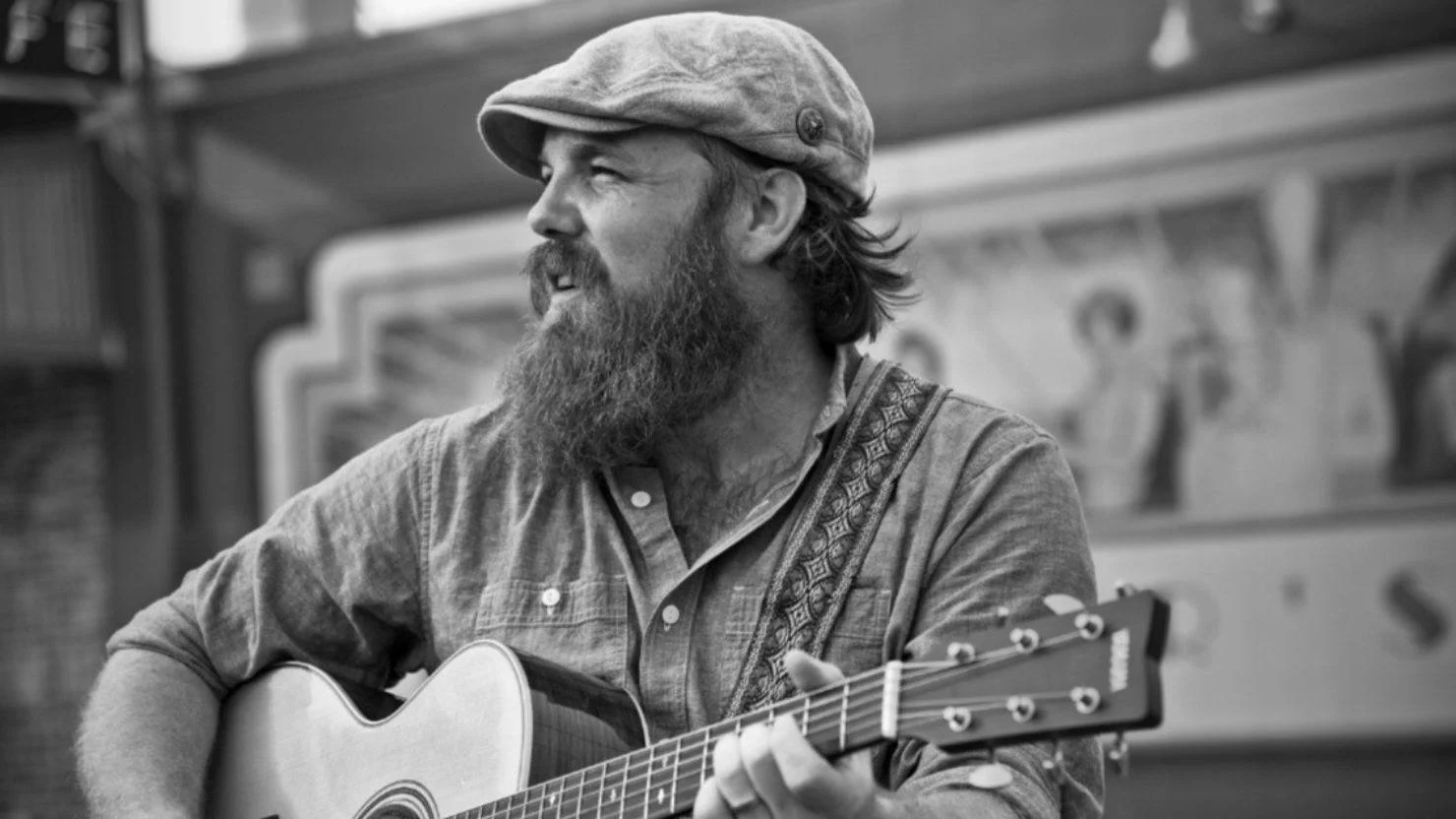
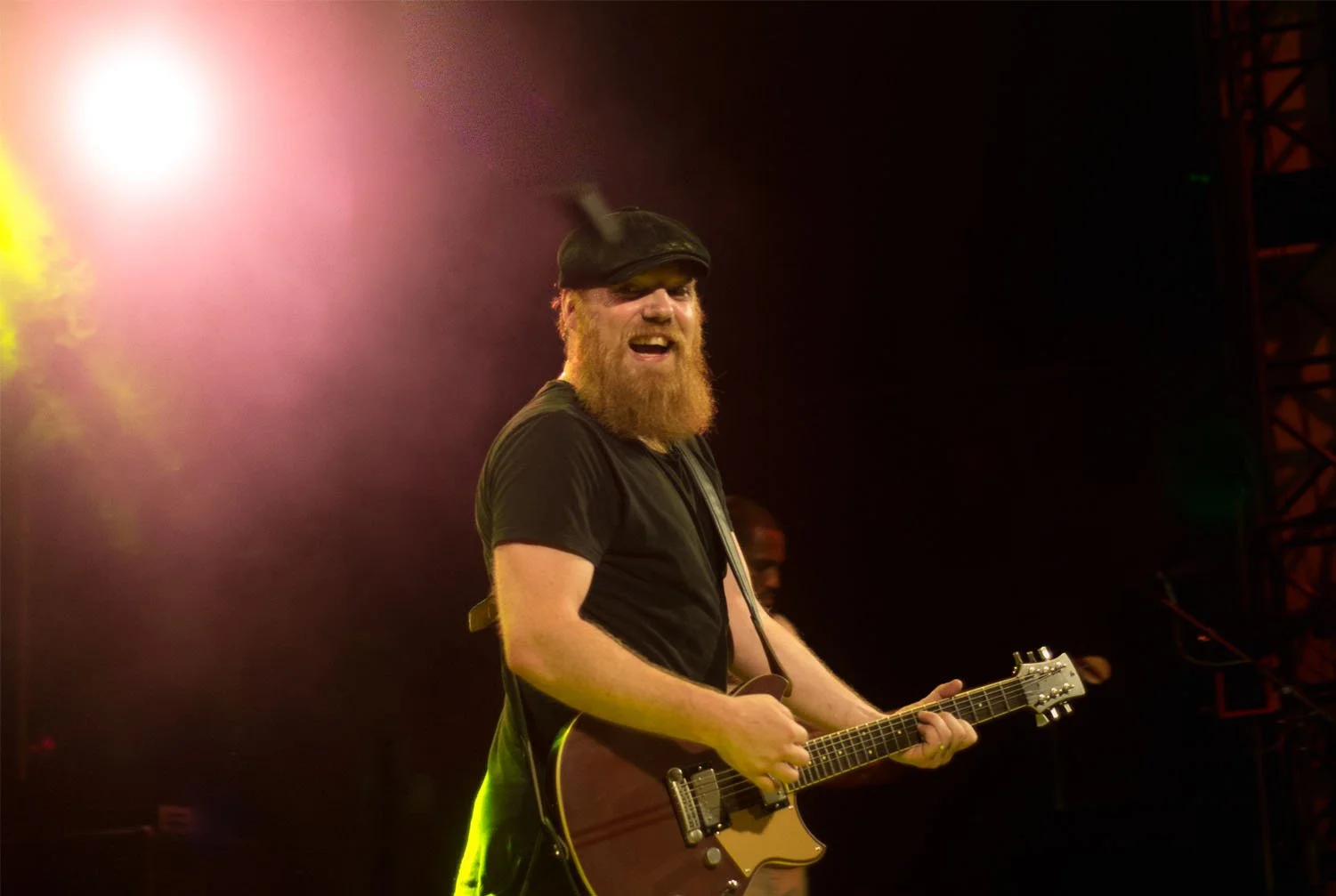
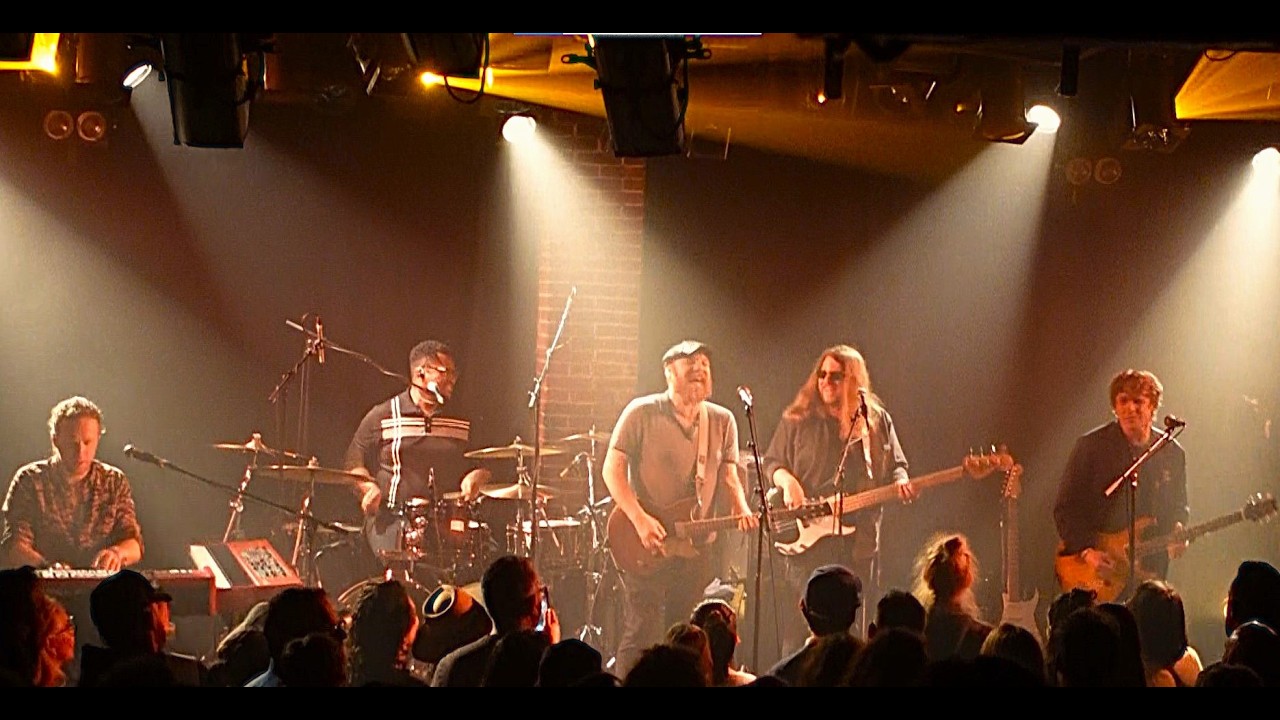
Marc Broussard is a singer, songwriter, and guitarist rooted in south Louisiana, where Acadian French traditions, swamp pop, zydeco, and Gulf Coast soul have long overlapped. He built his career around a band with his lead vocals and rhythm guitar at the center, and the lineup has shifted across the years as recordings and tours have changed. The core sound blends soul and blues. His tenor often moves into a higher register with gospel-style phrasing, while the guitar work alternates between clean, chiming tones and overdriven leads. Keyboards add organ and piano textures, and the rhythm section favors funk backbeats and loose second-line grooves. Fans should check current listings for the exact personnel on any given night.
The live show is built around the band and the songs rather than heavy theatrics. Lighting is typically focused and atmospheric, and staging stays simple, which keeps attention on the vocals and the interplay between guitar and keys. Setlists mix original material with well-chosen covers of soul, blues, and rock standards, and the band often stretches out in the middle of songs for extended solos and call-and-response moments with the crowd. Venues vary by market and by tour, ranging from intimate listening rooms and club stages to theaters and larger festival stages. The best seats for the full dynamic range are usually close enough to hear the vocal nuance, but the energy carries well across the room in most venues.
Among the notable milestones in Broussard's career are his studio albums, which have appeared on independent and label releases and have documented his development from roots-oriented songwriting toward a more polished soul and Americana sound. Several songs, including "Home" and "Had to Fall," have become staples of his concerts and are commonly requested by longtime listeners. He has also made appearances at regional and national music festivals, which helped widen his audience beyond Louisiana. Collaborations with producers, session musicians, and fellow Gulf Coast artists have shaped his recordings over time. Rather than measuring his career by chart positions, many fans point to the consistency of his catalog and the way his songs hold up in a live setting.
Broussard sits within a broader community of Americana, soul-blues, and Louisiana roots artists, a scene that values strong vocals, skilled guitar playing, and songs with a lived-in, regional character. His audience tends to include blues and roots enthusiasts, listeners who came to Southern soul through classic records, and fans of adult-oriented rock who appreciate a well-crafted band. Music lovers interested in Louisiana culture also make up a significant part of the crowd. People who enjoy hearing a singer push a phrase in unexpected directions, or who like guitar-driven songs with room to breathe, tend to get the most out of seeing the band live. Dancers and listeners who prefer to sit and absorb the arrangements both find a place at these shows.
Typical headline sets run roughly 90 minutes to two hours, including an encore, although exact length depends on the venue's curfew and the tour schedule. Opening acts are often regional or roots-oriented performers, sometimes acoustic or duo, who set a relaxed tone before the main band takes the stage. The room tends to feel warm and communal, with a mixed-age audience, a good number of repeat attendees, and plenty of singing along on familiar choruses. In theaters, crowds often sit for the early songs and rise as the tempo picks up. In clubs, the floor fills quickly, and the atmosphere can become loose and celebratory by the second half of the set. Arriving early is worthwhile for those who want a good sightline.
Fans who want to plan a visit can browse the upcoming dates listed below to find a show near them. Checking venue details, doors times, and ticket options ahead of time helps make the evening smoother, especially at smaller rooms where capacity is limited. Whether you are a longtime follower of Broussard's recordings or new to his music, a live performance offers the clearest picture of his voice, his guitar work, and the songs that have carried his career. Take a look at the schedule, pick a date that suits you, and come ready for a night built on strong vocals and Louisiana-rooted soul.
Marc Broussard is on the road in 2026–2027. There are 6 shows left to see in 6 cities; the next is Dec 17, 2026 at Tipitinas in New Orleans.
Marc Broussard is not playing today (Nov 23, 2026). The next show is Dec 17, 2026 at Tipitinas in New Orleans.
All 6 upcoming Marc Broussard shows are in the United States, with the most dates in Louisiana (2), Colorado (1), Missouri (1), Oklahoma (1) and Texas (1). No dates outside the United States are listed right now.
How long a Marc Broussard show runs depends on the venue, the set list, and whether there is an opening act on the bill. Many headline concerts run for a full evening including an encore, but exact timing varies by date. Check the event listing for the show you plan to attend, and contact the venue if you need to know its curfew or planned end time.
Opening acts are not guaranteed at every Marc Broussard show, so the answer depends on the date. Some concerts feature a supporting artist, while others are headline-only. Because the lineup can change, the most reliable source is the event page for your specific date, which lists any support act. If the listing does not mention one, it is best to confirm with the venue before making travel plans.
Age policies for Marc Broussard concerts are set by each venue and promoter, so they differ from city to city. Some shows are all ages, while others may be limited to 18+ or 21+, especially at venues that serve alcohol. The age requirement is usually shown on the event listing and ticket confirmation, so check there before buying tickets for a younger guest.
Doors usually open well before the headliner performs, giving guests time to get inside and find seats. The gap between doors and the main set varies by venue and by show, and it can also depend on whether there is a support act. Exact times vary by date, so check the event listing for the doors and showtime you are planning around.
Ticket prices for Marc Broussard shows are not fixed across the tour, so no single figure applies to every concert. Price is usually shaped by the venue's size, seat location, the date and demand, and any fees added at checkout. For current figures, open the official ticket listing for the city you want, where pricing is usually shown before you buy.
VIP packages and meet and greet opportunities are not offered at every Marc Broussard show, and availability changes by tour and by date. When offered, these options are typically sold through the official artist website, a fan club, or the event's ticketing page. Because inclusions and eligibility vary, read the package details carefully before purchasing.
Presale timing and codes differ for each Marc Broussard tour date, so there is no universal schedule to rely on. Presales are sometimes offered through an artist newsletter, a fan club, a venue, or a card partner, and access rules vary. Check the official artist website and the venue's announcement for the date you are targeting. Be cautious of unofficial codes shared online, which may not be valid.
If a Marc Broussard show is postponed, tickets are generally valid for the new date, and the official announcement will usually explain how to keep your seat. If a concert is cancelled outright, refund rules are set by the promoter and venue, so they can vary. Watch the official website and your email for updates. Refund requests often have deadlines, so act promptly once details are posted.